
Learn how to change behavior.
The world's largest collection of resources and data on behavioral science.
Behavior change and behavior design models
MODELS
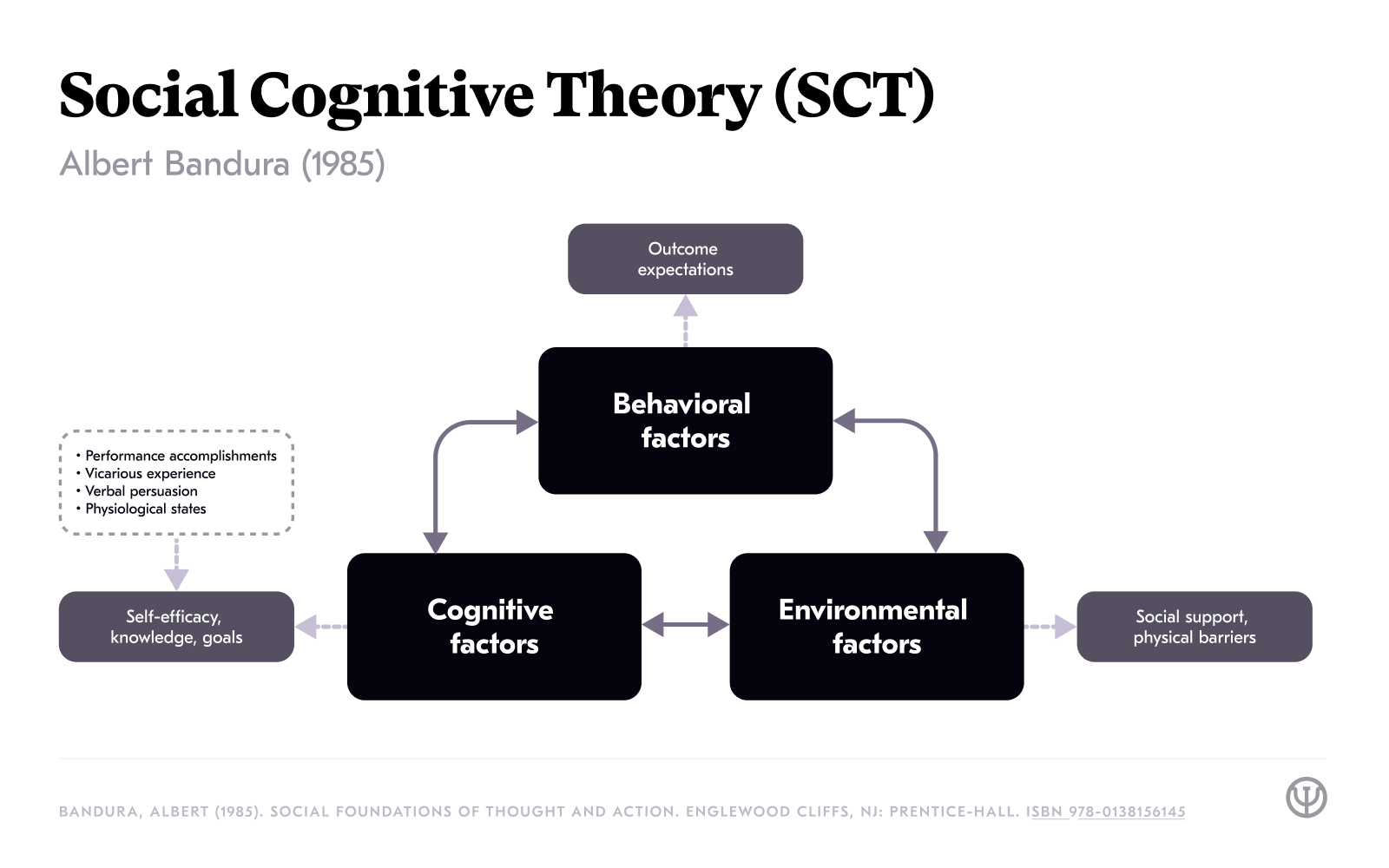
Social Cognitive Theory
TYPE
Behavior model
PEOPLE
Albert Bandura
MODELS
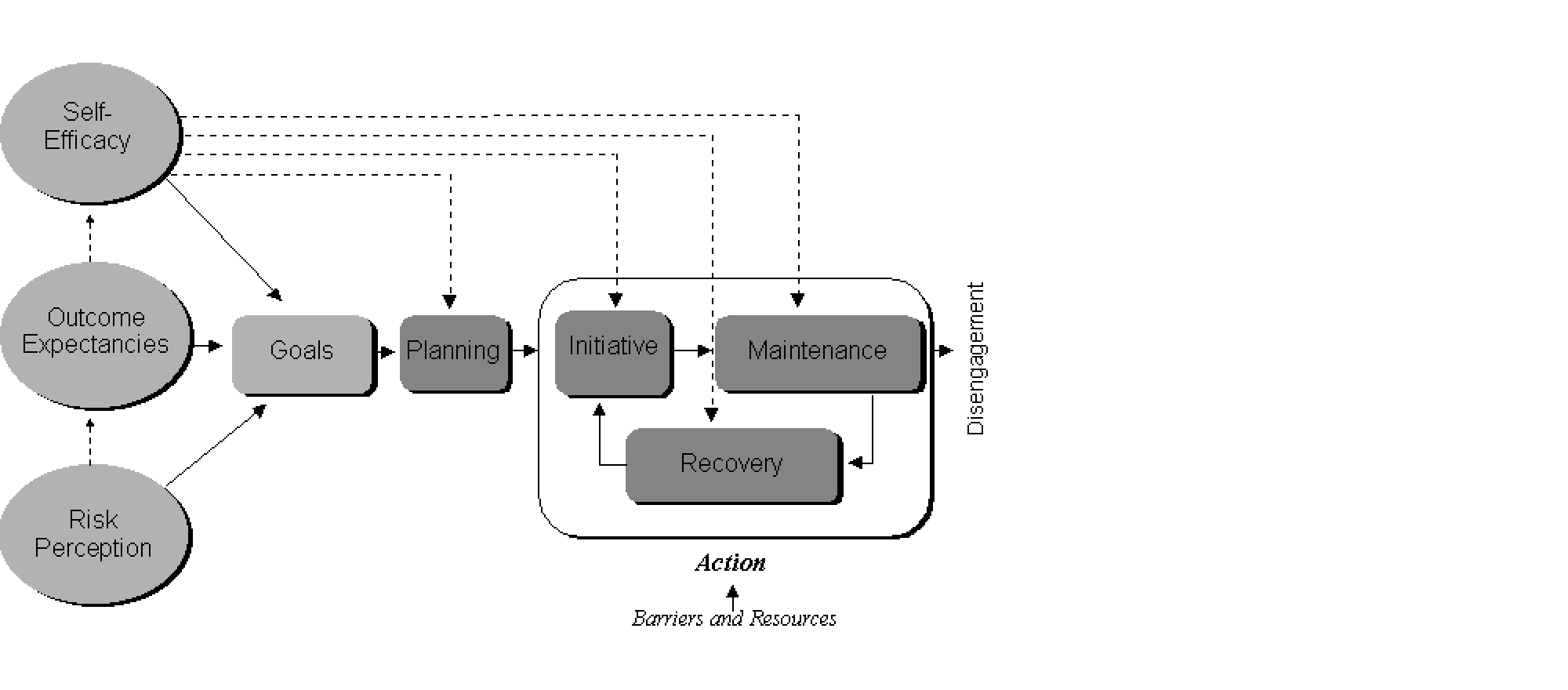
Health Action Process Approach
TYPE
Behavior model
PEOPLE
Ralf Schwarzer
MODELS
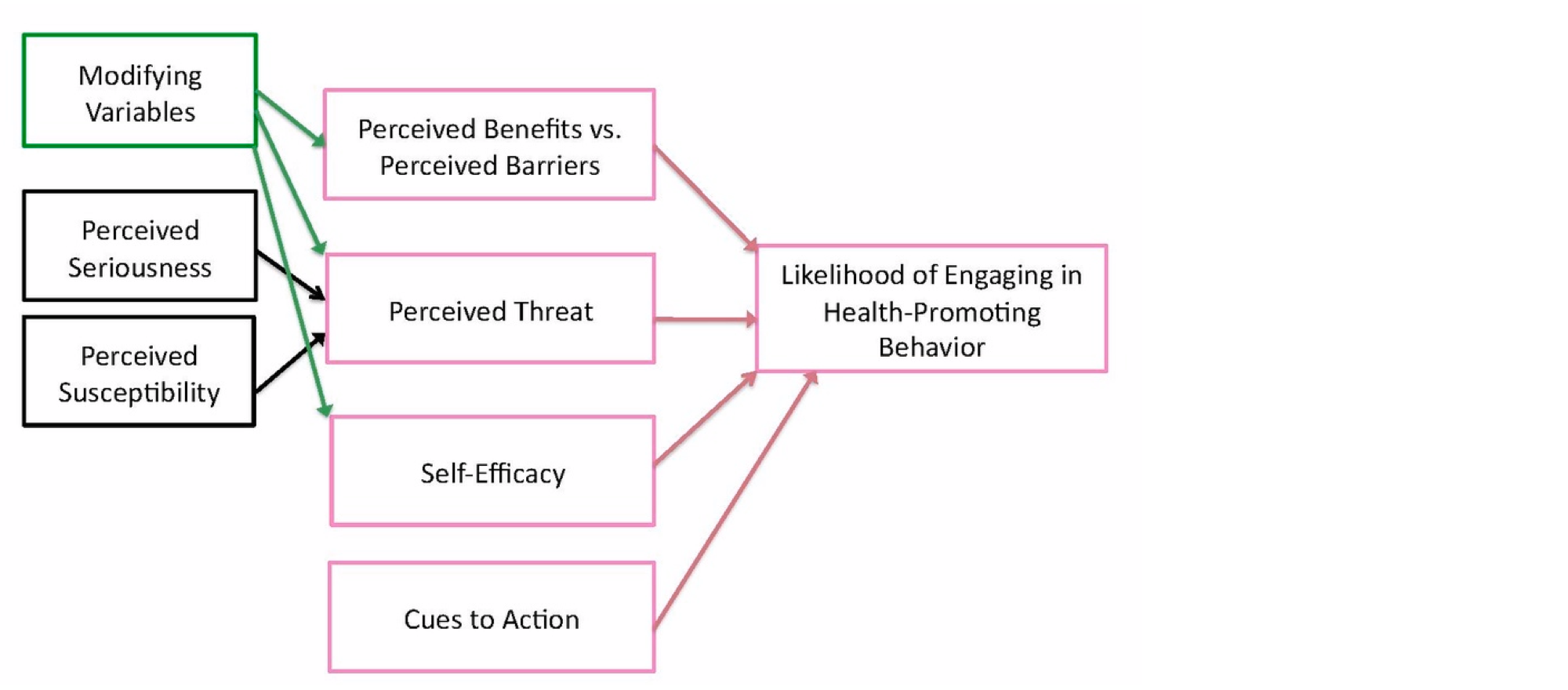
Health Belief Model
TYPE
Behavior model
PEOPLE
Irwin Rosenstock, Godfrey Hochbaum, S. Stephen Kegeles
MODELS
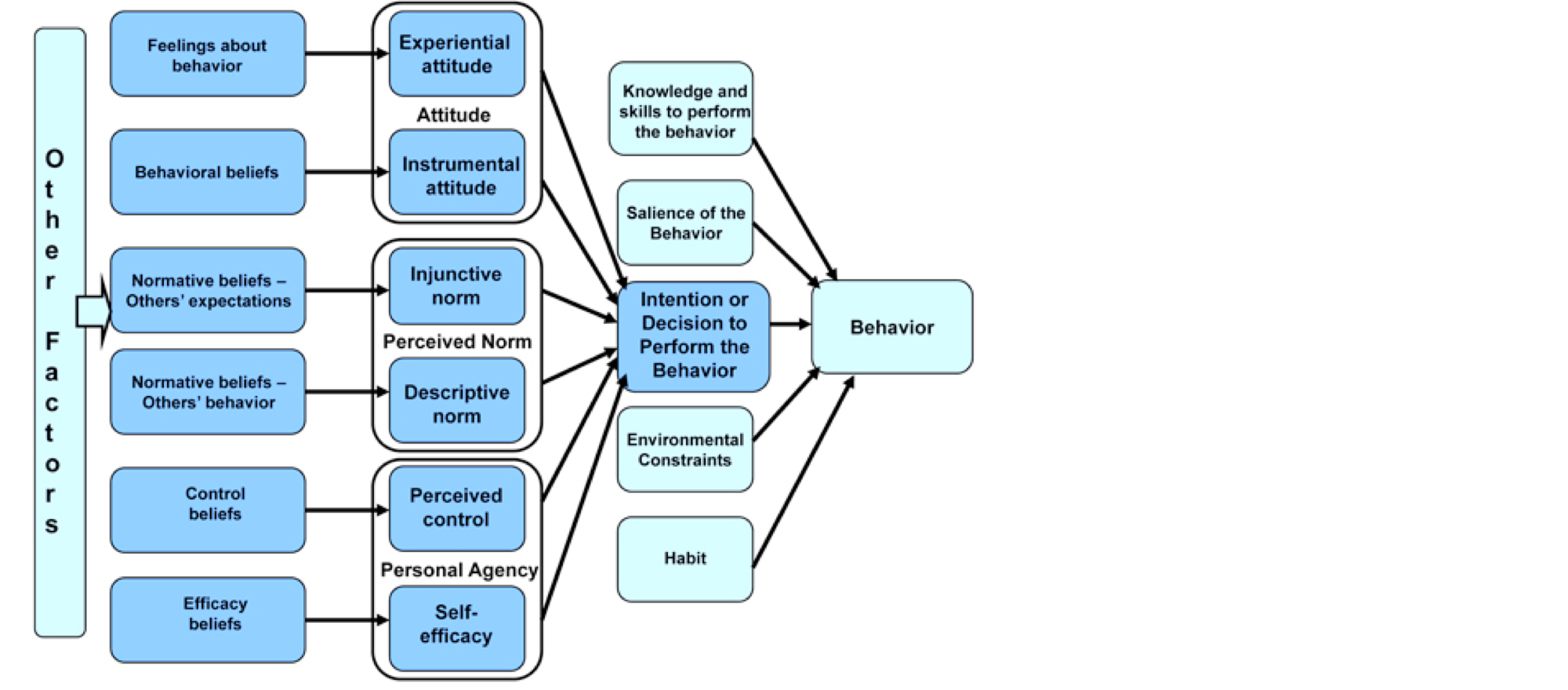
Integrated Behavior Model
TYPE
Behavior model
PEOPLE
Martin Fishbein, Icek Ajzen
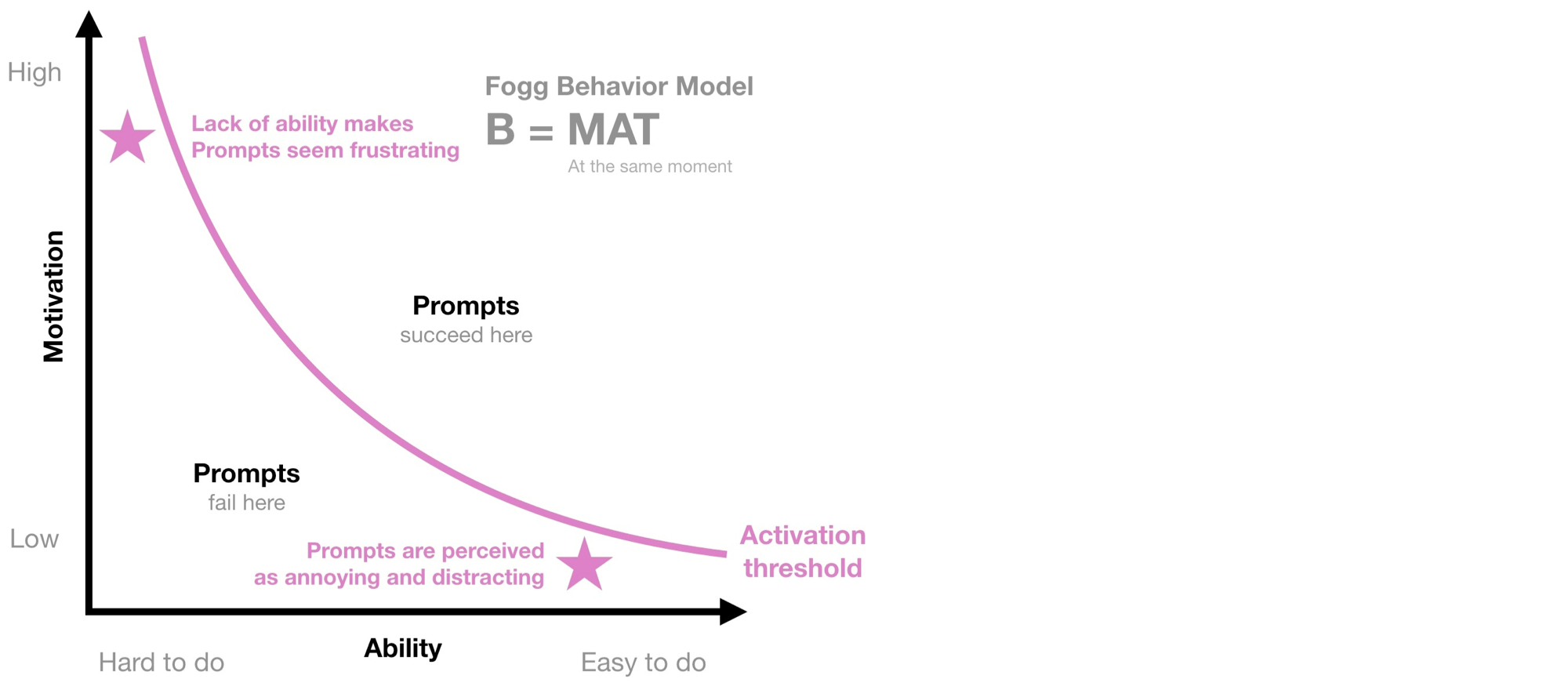
MODELS
Fogg Behavior Model
TYPE
Behavior model
PEOPLE
BJ Fogg

MODELS
COM-B | Capability, Oppportunity, Motivation → Behavior
TYPE
Behavior model
PEOPLE
Susan Michie, Robert West, Maartje van Stralen
Tactics that change behavior

TACTICS
Education or Information
Education refers to empowering a person with more knowledge or training than they had previously. While providing information alone is often a suboptimal way to drive meaningful behavior change or long-term interventions, the right message at the right time can be a powerful part of a behavior change strategy.

TACTICS
Reminders, Cues, or Prompts
Reminders, cues, and prompts are simply methods to cause someone to perform a behavior by calling their attention to it with a timely message. People have limited attention and memory, so these types of influences can be very effective when done skillfully. The cue need not consist of written or spoken language; for example, it could be a certain melody, symbol, or pattern of lights on a connected home device. It might also be a bracelet or pattern of vibrations from a wearable device. Provided the cue or prompt is associated with the behavior, almost any sensory stimuli that is reliably perceived and interpreted may be used. That said, verbal reminders can be effective since they may be personalized with additional semantic information related to the person's context or leverage other effects (e.g. identity priming or framing effects).

TACTICS
Self-Monitoring or Tracking
Self-monitoring or tracking simply refers to a person measuring their behavior, experiences, cognition, or other data points over time.Often, merely tracking a behavior can influence the likelihood or frequency with which a person performs the behavior or related ones. For example, many pedometer studies increase walking activity merely by improving awareness, and many interventions that merely consist of rewarding someone for weighing themselves result in weight loss. Similarly, when cognitive behavioral therapy patients track which cues or environments are associated with undesired behaviors or thoughts, they may begin to avoid them.Unfortunately, people often find tracking behaviors tedious and lose interest after a short period, so behavior designers should seek to reduce the burden of self-monitoring by collecting information automatically or doing so in a low-effort way.

TACTICS
Implementation Intentions
Implementation intentions are specific details for when and how a behavior should or will be performed. These are often formulated as ""if-then"" rules, such as:- "if I crave something sweet, I'll have fruit instead of candy"- "if I am in the mood for a cigarette, I'll wait 5 minutes—then, if I still want it, I can have one"Other examples include studies where flu vaccination uptake was higher in groups of people nudged to make more specific plans (i.e. picking a specific time and date, along with a mode of transport to a specific clinic). The same general effect was observed with voting behaviors. These are a generally low-cost tool to slightly improve the gap between intention and performance of a behavior.

TACTICS
Reduce Friction or Barriers
Reducing friction or barriers to performing a behavior is simply making it easier or removing things that may be preventing someone from doing something. This is a foundational technique in changing behavior, and part of the UK Behavioural Insights Team's 4-point approach ("Make it easy"). That said, knowing where the friction and barriers exist may not always be straightforward, and different groups of people may experience different barriers in different contexts. Note: It is possible to remove too much friction. In a well-popularized study, a travel booking site found that delays in loading the best deals or travel options actually increased conversions. Similarly, longer input forms in digital interactions sometimes outperform, as people may consider the results more personalized or experience greater cognitive dissonance after having invested so much time in exploring the service.

TACTICS
Feedback
Feedback entails providing qualitative or quantitative information about a behavior's performance or consequences. Performative information might include data on how a person's current diet tracks with nutrition recommendations or how their home power consumption compares with nearby households.Feedback on outcomes may include information about relative cancer risk based on current lifestyle factors or calculated net worth in 20 years based on the person's current savings rate and investment returns.

TACTICS
Environmental Restructuring
Environmental restructuring refers to modifying the physical environment around someone in order to influence their behavior.On the less intensive end, this could be as simple as having someone leave a pill bottle in a more obvious location or switch to using a pillbox with compartments for each day. More complex examples include carpooling potential voters to election sites to improve turnout, redesigning a workplace cafeteria layout to bias toward healthier foods, or setting up booths for influenze vaccination in offices or shopping malls.

TACTICS
Social Support
Social support refers to the perception or reality that other people will provide assistance in a given context. It is a key component of several behavior models and plays an important role in mediating behavior change.
Products that change behavior

PRODUCTS
Edquity
Behaviors
Savings, Financial Behaviors, Educational Attainment
Tactics
Reduce Friction or Barriers, Education or Information, Reminders +3 more

PRODUCTS
Earn Up
Behaviors
Financial Behaviors, Debt Reduction
Tactics
Automation, Smart Defaults, Education or Information +4 more

PRODUCTS
Lose It!
Behaviors
Physical Activity, Diet & Nutrition
Tactics
Feedback, Social Support, Self-Monitoring or Tracking +4 more
PRODUCTS
Accupedo
Behaviors
Physical Activity
Tactics
Education or Information, Reminders, Cues +3 more

PRODUCTS
Betterment
Behaviors
Savings, Financial Behaviors
Tactics
Education or Information, Reminders, Cues +9 more

PRODUCTS
10% Happier
Behaviors
Mental Health & Self-Care
Tactics
Reminders, Cues, & Triggers +5 more

PRODUCTS
Bounce
Behaviors
Mental Health & Self-Care
Tactics
Education or Information, Reminders, Cues +4 more

PRODUCTS
RedBrick Health
Behaviors
Disease Management, Physical Activity
Tactics
Reminders, Cues, & Triggers +5 more
Research on behavior change
PAPERS
Inviting Consumers to Downsize Fast-Food Portions Significantly Reduces Calorie Consumption.
BEHAVIOR
Diet & Nutrition
TACTICS
Reminders, Cues, & Triggers
PAPERS
Testing Enforcement Strategies in the Field -Threat, Moral Appeal and Social Information.
BEHAVIOR
Fine or Debt Collection
TACTICS
Social Norms, Reminders, Cues, & Triggers
PAPERS
Everyone Believes in Redemption
BEHAVIOR
Other, Financial Behaviors
TACTICS
Reduce Friction or Barriers, Reminders, Cues, & Triggers, Implementation Intentions
PAPERS
Getting to the Top of Mind: How Reminders Increase Saving.
AUTHORS
M McConnell, Sendhil Mullainathan, Jonathan Zinman, Dean Karlan
BEHAVIOR
Savings
TACTICS
Reminders, Cues, & Triggers, Micro-Incentives, Goal Setting, Commitment Devices
PAPERS
Summer Nudging: Can Text Messages and Peer Mentor Outreach Increase College-Going Among Low-Income High School Graduates?
AUTHORS
Ben Castleman
BEHAVIOR
Enrollment
TACTICS
Reminders, Cues, & Triggers
PAPERS
Improving Patient Engagement in Self-Measured Blood Pressure Monitoring Using a Mobile Health Technology
PRODUCT
Hello Heart
BEHAVIOR
Disease Management
TACTICS
Education or Information, Reminders, Cues, & Triggers, Self-Monitoring or Tracking, Feedback
PAPERS
Randomized Controlled Trial of a Mobile Health Intervention to Promote Retention and Adherence to Preexposure Prophylaxis Among Young People at Risk for Human Immunodeficiency Virus: The EPIC Study
PRODUCT
Prepmate
BEHAVIOR
Medication Adherence
TACTICS
Education or Information, Reminders, Cues, & Triggers, Implementation Intentions, AI or Chatbot, Coaching or Counselling
PAPERS
A Digital Lifestyle Programme to Support Outpatient Treatment of Type 2 Diabetes: A Randomised Controlled Trial.
PRODUCT
Sidekick Health
BEHAVIOR
Disease Management
TACTICS
Education or Information, Reminders, Cues, & Triggers, Self-Monitoring or Tracking, Goal Setting, Gamification, Feedback
PAPERS
Behavior Change Programs: Status and Impact
PRODUCT
Nest Thermostat
BEHAVIOR
Conservation Behaviors
TACTICS
Education or Information, Reminders, Cues, & Triggers, Self-Monitoring or Tracking, Social Norms, Automation, Environmental Restructuring