
PRODUCT
MoodHacker
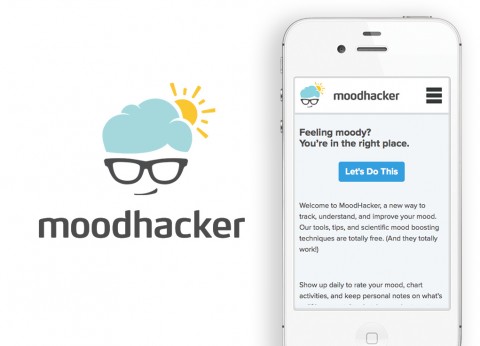
A mobile, self-management intervention based in Cognitive Behavioral Therapy and Positive Psychology that helps employees track, understand, and improve their mood, and reduce depression symptoms.
How MoodHacker changes Mental Health & Self-Care behaviors

TACTICS
Cognitive Behavioral Therapy (CBT)
Cognitive behavioral therapy (CBT) is a therapuetic approach to improving mental and behavioral health. The core philosophy is that behavior can be modified by noticing and correcting patterns in thought that influence the behavior. Modern CBT is typically associated with Albert Ellis and Alan Beck.The structured and rules-based nature of CBT have made it a popular candidate for digital interventions and application by lightly-trained or even untrained practitioners.
PAPERS
MoodHacker Mobile Web App With Email for Adults to Self-Manage Mild-to-Moderate Depression: Randomized Controlled Trial.

TACTICS
Tracking cognitions or emotions
Tracking cognitions or emotions (often both) refers to a person recording when they have certain thoughts or feelings. The person might note every time they experience a given thought or specific feeling whenever it comes up, or alternatively simply keep a diary of any notable thoughts or feeling at pre-determined times. Often, this also includes noting what triggered or occured before or alongside these thoughts and emotions. Many therapuetic approaches utilize this tool, even if only for brief periods, to help a system, clinician, or patient better understand the patterns around their thoughts and feelings. Often, this data is integrated into additional behavior change approaches, like behavioral activation or implementation intentions.
PAPERS
MoodHacker Mobile Web App With Email for Adults to Self-Manage Mild-to-Moderate Depression: Randomized Controlled Trial.

TACTICS
Self-Monitoring or Tracking
Self-monitoring or tracking simply refers to a person measuring their behavior, experiences, cognition, or other data points over time.Often, merely tracking a behavior can influence the likelihood or frequency with which a person performs the behavior or related ones. For example, many pedometer studies increase walking activity merely by improving awareness, and many interventions that merely consist of rewarding someone for weighing themselves result in weight loss. Similarly, when cognitive behavioral therapy patients track which cues or environments are associated with undesired behaviors or thoughts, they may begin to avoid them.Unfortunately, people often find tracking behaviors tedious and lose interest after a short period, so behavior designers should seek to reduce the burden of self-monitoring by collecting information automatically or doing so in a low-effort way.
PAPERS
MoodHacker Mobile Web App With Email for Adults to Self-Manage Mild-to-Moderate Depression: Randomized Controlled Trial.
MoodHacker changes these Mental Health & Self-Care behaviors
Related products that change behavior

Health
10% Happier
TACTICS
Reminders, Cues, & Triggers +5 more
BEHAVIORS
Mental Health & Self-Care

Health
Bounce
TACTICS
Education or Information, Reminders, Cues +4 more
BEHAVIORS
Mental Health & Self-Care
STRATEGIES
Positive Psychology

Health
Shine
TACTICS
Education or Information, Reminders, Cues +5 more
BEHAVIORS
Mental Health & Self-Care

Health
Braive
TACTICS
Education or Information, Reminders, Cues +3 more
BEHAVIORS
Mental Health & Self-Care
STRATEGIES
Cognitive Behavioral Therapy (CBT)
MODELS
CBT

Health
Youper
TACTICS
Implementation Intentions, Self-Monitoring or Tracking, Reminders +4 more
BEHAVIORS
Mental Health & Self-Care
STRATEGIES
Cognitive Behavioral Therapy (CBT), Positive Psychology
MODELS
CBT
Health
NASH
TACTICS
Implementation Intentions, Education or Information, Reminders +4 more
BEHAVIORS
Disease Management
STRATEGIES
Cognitive Behavioral Therapy (CBT)
MODELS
CBT

Health
Joyable
TACTICS
Cognitive Behavioral Therapy (CBT), Tracking behavior, Tracking cognitions or emotions +11 more
BEHAVIORS
Mental Health & Self-Care

Health
myStrength
TACTICS
Reminders, Cues, & Triggers +3 more
BEHAVIORS
Mental Health & Self-Care
STRATEGIES
Cognitive Behavioral Therapy (CBT)
MODELS
CBT, ACT